
Foam-Water Sprinkler Systems
Blog / Foam-Water Sprinkler Systems
Foam-Water Sprinkler Systems
Foam-Water Sprinkler Systems are an integral part of modern fire protection strategies, particularly in environments where traditional water-based sprinklers may not be sufficient. These systems are engineered to combine the cooling and fire-extinguishing properties of water with the superior vapor suppression and smothering capabilities of foam. This combination makes Foam-Water Sprinkler Systems especially effective in combating fires involving flammable liquids and other hazardous materials, providing a robust solution for a wide range of fire scenarios.
How Foam-Water Sprinkler Systems Work
At the core of a Foam-Water Sprinkler System is the ability to deliver a controlled mixture of water and foam concentrate through a network of sprinkler heads. The system is activated when a fire is detected, either by heat-sensitive elements in the sprinkler heads or through a separate detection system. Once triggered, the system releases water and foam concentrate from separate supply tanks into a proportioning device, which mixes them at a predetermined ratio.
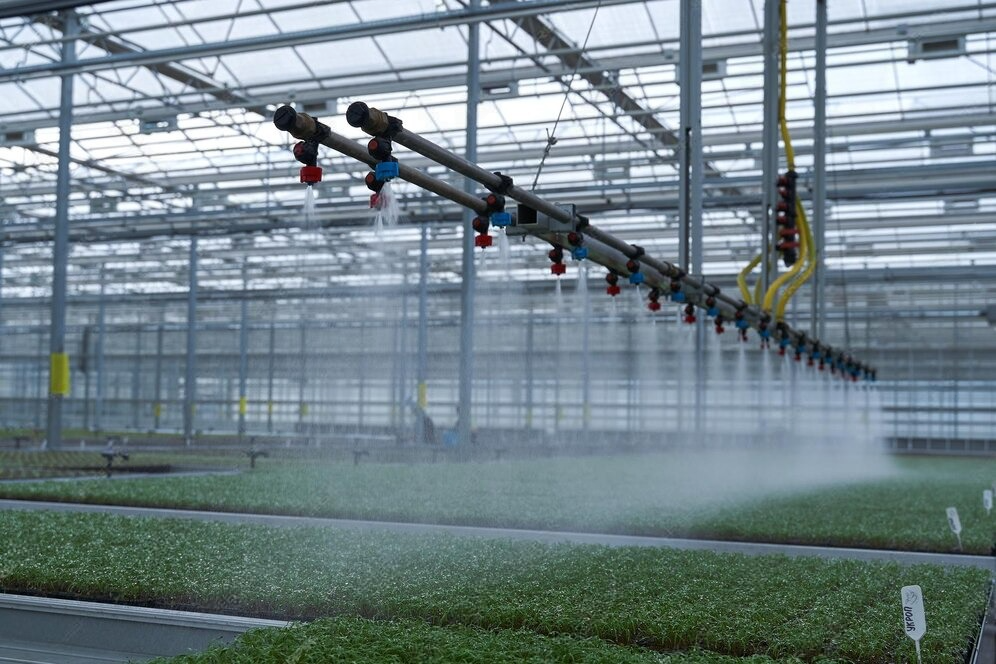
This foam-water solution is then distributed through the sprinkler piping and discharged through specially designed sprinkler heads. When the solution is sprayed over the fire, it rapidly expands to form a thick foam blanket. This blanket serves two critical functions: first, it cools the fire, reducing the temperature and slowing the combustion process; second, it suppresses the release of flammable vapors, effectively smothering the fire and preventing it from spreading.
Foam-Water Sprinkler Systems are typically used in areas where there is a high risk of Class B fires, which involve flammable liquids such as gasoline, oil, or alcohol. However, they are also effective against Class A fires, which involve ordinary combustible materials like wood, paper, and textiles. This versatility makes them a valuable asset in a variety of settings.
Applications and Advantages
Foam-Water Sprinkler Systems are commonly found in high-risk environments where the potential for large, hazardous fires is significant. These include chemical processing plants, oil refineries, fuel storage facilities, aircraft hangars, and manufacturing facilities dealing with flammable materials. In these settings, a standard water-based sprinkler system may not be sufficient to control or extinguish a fire, making the added protection of foam essential.
One of the primary advantages of Foam-Water Sprinkler Systems is their ability to suppress large fires quickly and effectively. The foam blanket not only extinguishes the flames but also creates a barrier that prevents re-ignition, offering an additional layer of protection. This rapid response capability is critical in minimizing damage and protecting both lives and property.
Another significant benefit is the system’s flexibility. Foam-Water Sprinkler Systems can be designed to meet the specific needs of different environments, with various foam concentrates available to address different types of fires. Additionally, the system can be configured to work in conjunction with other fire protection systems, such as deluge or pre-action systems, providing a comprehensive fire safety solution.